Bright Side
A Beacon of Light for the Youth

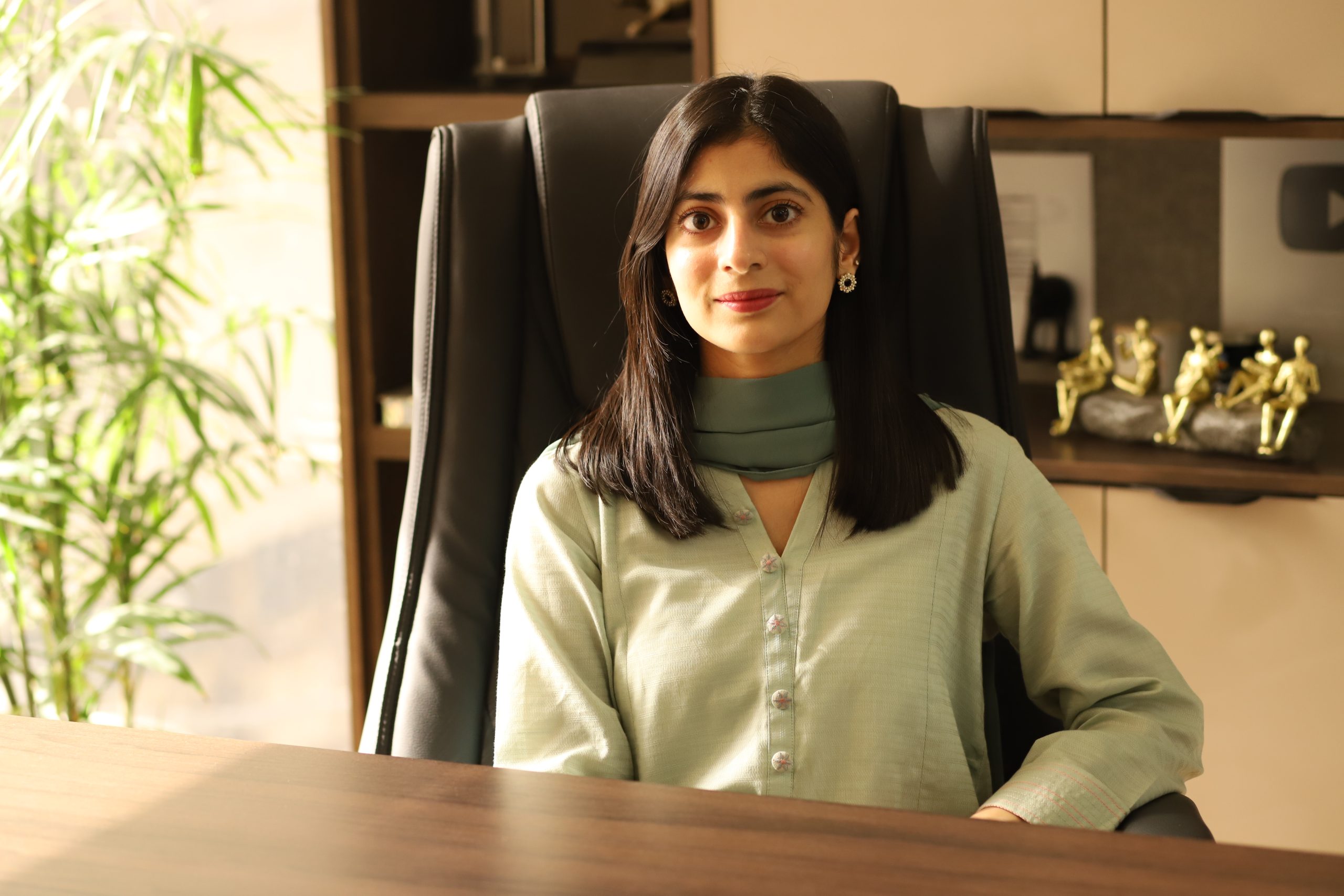
Bisma Qamar is a dynamic communications strategist and youth advocate bridging the gap between Pakistan’s grassroots talent and global platforms. Through her work with the United Nations and the Prime Minister’s Youth Programme, she leverages her dual-cultural background to champion Gen Z leadership and redefine Pakistan’s narrative on the world stage.
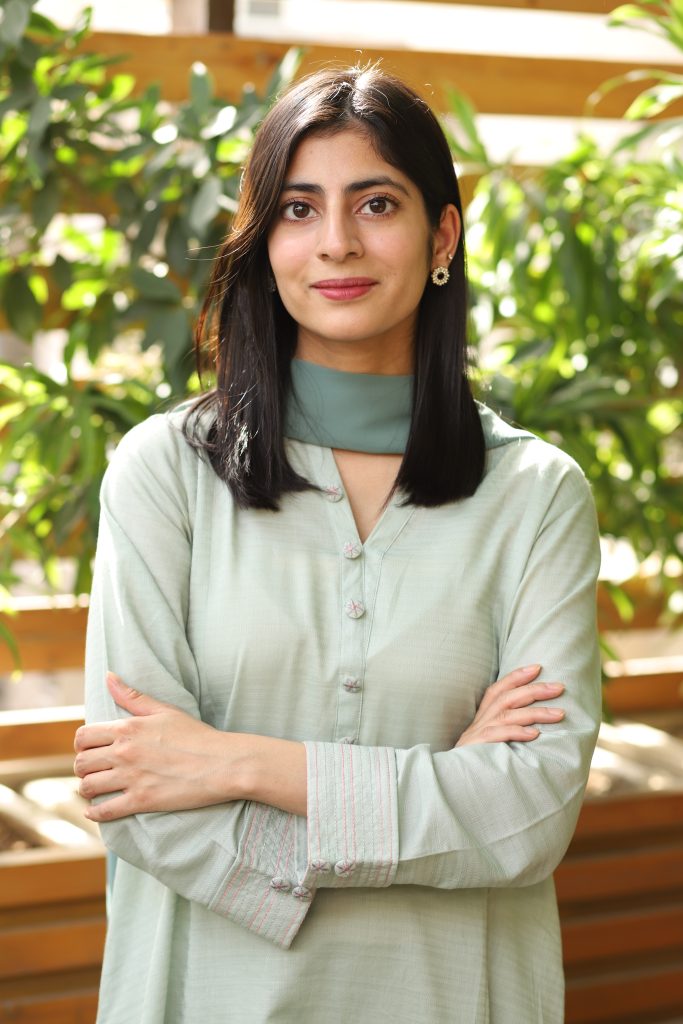
You built a strong presence in communications and youth advocacy; what first drew you to this path?
To be completely honest, my path was shaped by a dual perspective. Growing up in the United States and then transitioning back to Pakistan, I witnessed firsthand how the power of storytelling and strategic communication can catalyze change in ways that financial resources alone cannot. I realized early on that impact isn’t just about what you give, but how you connect.
The primary spark for my motivation was my late brother-in-law, Mr. Hunaid Hussain Lakhani. He, along with my sister, was deeply immersed in philanthropic work that touched the lives of many. Watching their dedication to social work, women’s development, and youth empowerment as a child was transformative. It wasn’t just about charity for them; it was about building a legacy of empowerment. That exposure rooted a desire in me to use communication as a bridge between the problems we face and the solutions we can create together.
Was there a defining moment when you realized the power of communication as a tool for change?
That realization solidified when I moved back to Pakistan. I was essentially a stranger in my own home—I lacked a network, faced a significant language barrier, and was unfamiliar with the local cultural nuances. I quickly understood that if I wanted to sensitize myself to this environment and make a difference, I had to master communication as a survival and transformation tool.
I began by identifying small, often overlooked societal issues and unconventional challenges. I started writing and speaking about these topics, and the moment people began to engage with these “unconventional” conversations, I saw the shift. It was a defining moment because it proved that authenticity and clear messaging could bypass lack of resources. By speaking truth to power and articulating the needs of the youth, I was able to develop authentic relationships that eventually opened doors to major opportunities.
How would you describe your personal brand today, and how has it evolved over time?
When I started this journey, I didn’t have a calculated blueprint for a “brand.” It evolved organically through action and consistency. If I look back now, I would say my personal brand is synonymous with passion. Whether I am advocating for rural development, women’s empowerment, or youth leadership, that core enthusiasm is what people recognize.
It has evolved from a series of scattered projects into a cohesive mission. I don’t view it as a static image I’m trying to project, but rather a living reflection of my commitment to Pakistan’s future. For me, personal branding isn’t about self-promotion; it’s about nurturing a reputation for reliability and advocacy that continues to grow as I do. I want my brand to remain a testament to the fact that when you lead with passion, the influence follows naturally.
Your association with the UN has been a significant milestone. What did that experience teach you about representing Pakistan on a global stage?
Representing Pakistan at the United Nations taught me that our country’s narrative is often missing its most vital element: the immense, untapped potential of our youth. Having seen both sides of the world—living in the US and then Pakistan—I noticed a massive disconnect between the talent that exists on the ground and how it is perceived globally.
Being a Gen Z representative for Pakistan is more than a milestone; it is an obligation and a source of immense pride. My experience taught me that representation is about translation. I have to translate the aspirations and capabilities of Pakistani youth into a language that global stakeholders understand. It’s a responsibility to ensure that our talent is not just seen, but effectively utilized, creating a pipeline of opportunities for the generations following in my footsteps.
What are some misconceptions about Pakistani youth that you feel need to be challenged internationally?
The most prevalent misconception is that Pakistan is still in a “developing” phase when it comes to talent—that we are “getting there” rather than “already here.” On global forums and in international educational institutions, we are still underrepresented in senior leadership and high-level decision-making roles. This creates a gap in how the world views our capabilities.
We need to challenge the idea that we are merely recipients of global aid or direction. The reality is that Pakistani youth are ready to contribute at the highest levels. It is now about channelizing that energy and using our government and member-state support to aggressively uplift the image of Pakistan. We are not just a country of potential; we are a country of performers who simply need the right stage.
How do you balance global perspectives with local realities when working on youth-focused initiatives?
I believe you cannot have an effective global voice if you haven’t lived the local reality. For me, it is a “reverse mechanism.” You can only advocate for change or eradicate misconceptions on a global stage if you have a deep, lived understanding of the ground-level sensitivities and challenges in Pakistan.
I make it a point to stay connected to the grassroots because that is where the truth lies. When I speak at an international forum, I’m not just sharing theories; I’m sharing experiences of women in rural areas or the struggles of young professionals in our cities. Balancing these perspectives means ensuring that global policies are actually applicable to our local context. I strive to be the bridge that ensures global resources meet local needs in a way that is respectful and sustainable.
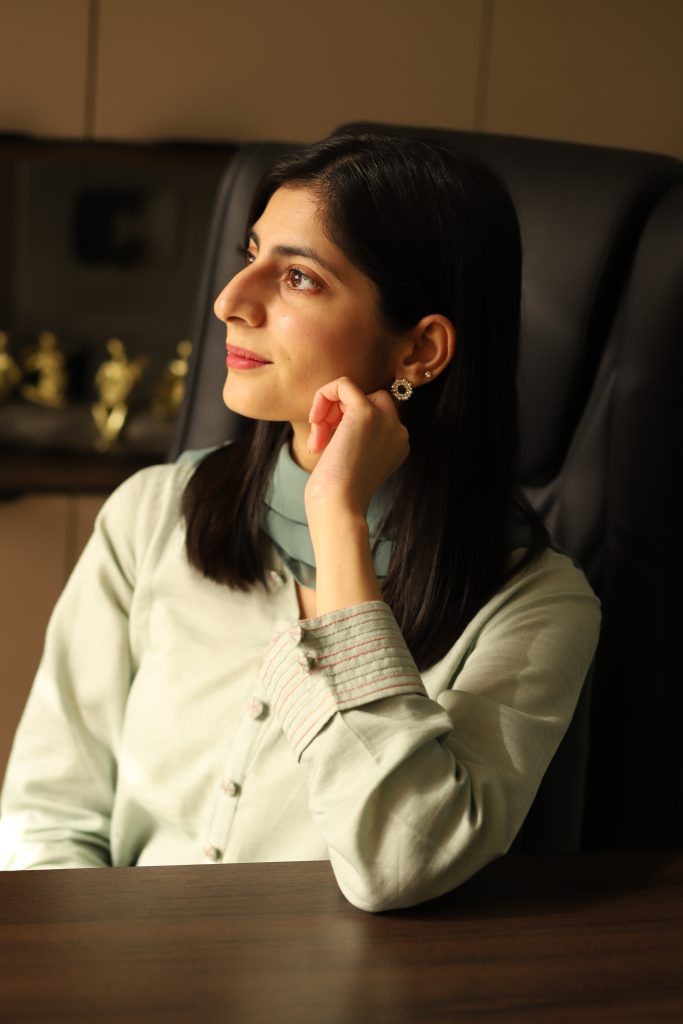
How can educational institutions better prepare students for real-world communication and leadership?
Our educational institutions need to move beyond the rigid compartmentalization of degrees. We have created silos where students are taught specific technical skills but lack self-awareness and the ability to pivot. Real-world leadership requires a mindset that can adapt to unconventional paths.
We must encourage students to explore beyond their set curriculum and focus on talent and passion rather than just a GPA. If students are passionate about social change but are stuck in a rigid degree programmes, they often hit social and academic barriers that stop their potential in its tracks. Institutions should be facilitators of talent, helping youth navigate these barriers so they can branch out into areas that could fundamentally change the face of Pakistan.
Through organizations like the Pakistan Society for Training and Development (PSTD), you’ve worked closely with young professionals. What trends are you seeing in the new generation?
I’m seeing a massive shift toward “hustle culture,” which is quite inspiring. The new generation is no longer satisfied with a traditional nine-to-five; they are constantly upskilling and multitasking. There is a newfound realization at a very early age that learning and development are lifelong pursuits.
As the Head of Global Learning and Conferences at PSTD, I’ve worked at the intersection of multinationals, the social sector, and academia. I’m noticing that corporates are now much more inclined toward CSR and Diversity & Inclusion (D&I) initiatives. They are starting to see Gen Z not just as “junior staff,” but as valuable contributors who can hold senior positions based on merit rather than age. This breaking of the “seniority equals experience” myth is a major trend that is opening doors for young leaders to redefine corporate culture in Pakistan.
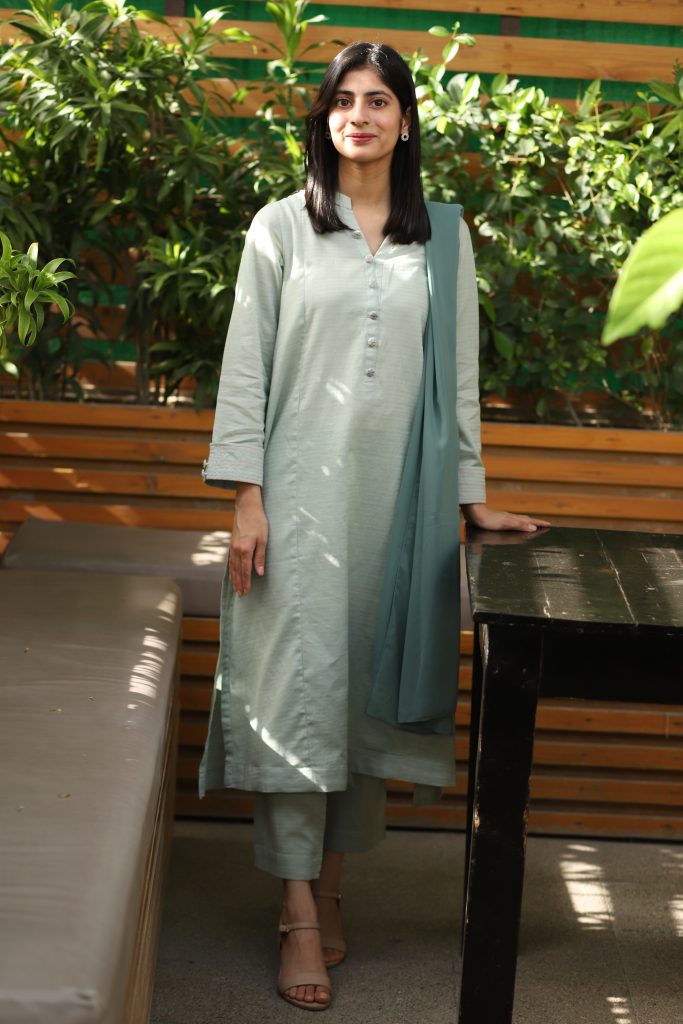
You are working with Rana Mashood on the Prime Minister’s Youth Programme. How is it developing?
I am currently serving as a focal person for youth and global linkages for both the Pakistan and USA chapters, working closely with the Chairman of PMYP, Mr. Rana Mashood. Our focus is built on the “Four Es”: Employment, Education, Environment, and Entrepreneurship.
We are developing this by curating platforms that provide equal access to youth, whether they are in remote rural areas of Pakistan or part of the diaspora in London and New York. The goal is to create a sustainable loop where the successful Pakistani youth abroad can mentor and create opportunities for the youth back home. By leading delegations to international forums like the UN Economic and Social Forum, we are building the global linkages necessary to ensure that Pakistani talent is recognized, supported, and given a seat at every important table.
How has your family been supportive in the choice of your work?
I have been incredibly fortunate to have a family that didn’t just support my choices, but actively pushed me to be more. My older siblings have been my true mentors, guiding me through the nuances of my career and advocating for my independence.
Making the move from a comfortable life in the US to working on the ground in Pakistan—often in challenging conditions—required a lot of courage, but my parents never hesitated. Even when my work takes me to remote areas or requires me to travel internationally alone, my father and mother have always had an “always yes” attitude. They believed that if I felt a calling to do this, I should go for it, and we would figure out the logistics later. I wouldn’t be able to serve the government or represent Pakistan at the UN if it weren’t for their unwavering belief in my potential. They are the most integral part of every milestone I achieve.