A Teen's Lens
The Journey Continues

Alisha Junaid’s Vision for the Next Generation of Women Athletes in Pakistan
By Anusha Zahid
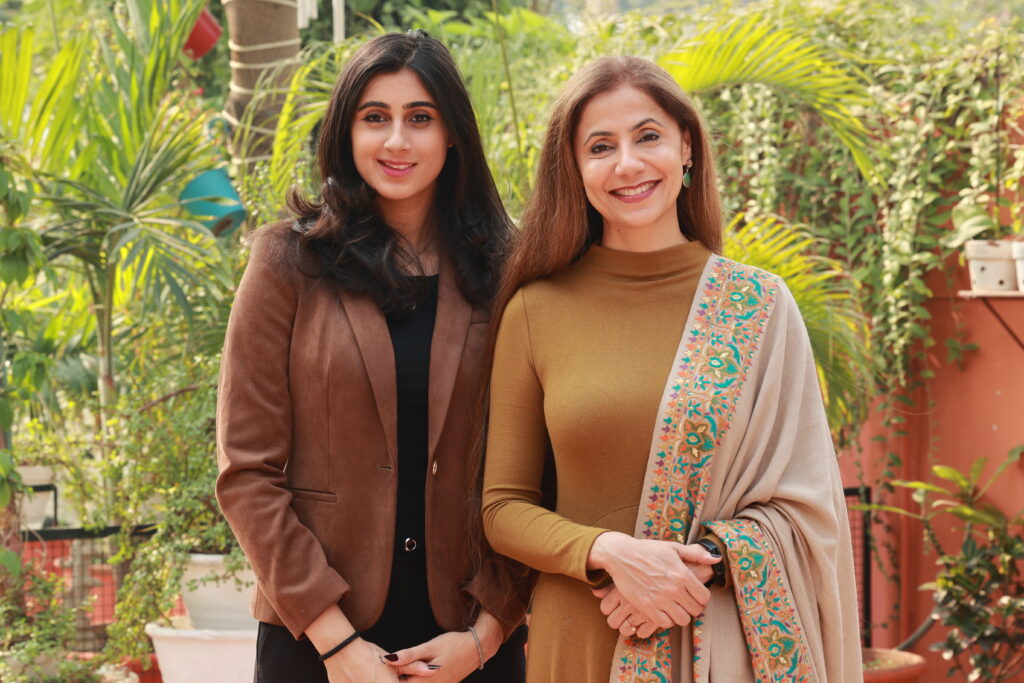
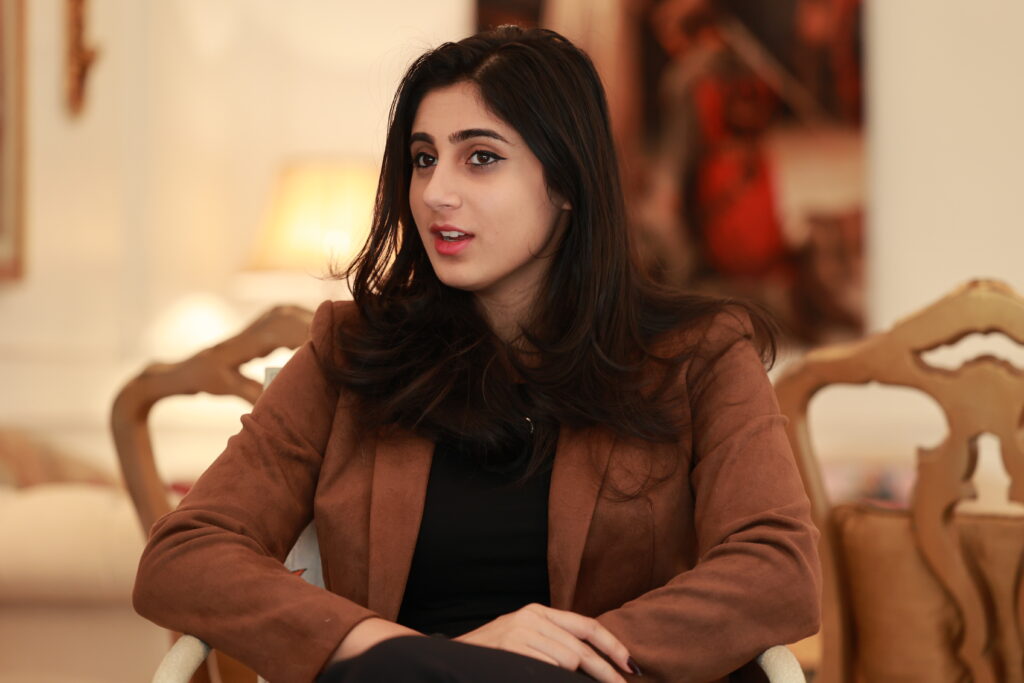
Alisha Junaid is the founder of Empower Sports Academy, which held the first women’s volleyball tournament in Pakistan last year. GLAM interviewed Alisha two years ago at the launch of Empower Sports Academy, and this is a follow-up interview now that their second national volleyball tournament has successfully concluded.
Originally from the United States, Alisha is a TEDx speaker, a recipient of the USAID Youth Leadership Award, and a student at Babson College. She has organized national volleyball tournaments throughout Pakistan and coordinated international tours, all while advancing her personal athletic and academic pursuits.
Congratulations on successfully concluding the second year of Pakistan Volleyball Championship. Do you think this year’s tournament was better compared to last year’s in terms of participation and overall excitement?
Yes definitely. This year, we expanded the preliminary round to eight different cities, a significant increase from last year’s three. We had teams from Abbottabad, Sadiqabad, Islamabad, Karachi, and Quetta, among others. This year, we also made a conscious effort to concentrate on the younger age groups, which was a deliberate decision to prioritise the development of our next generation.
To achieve this, we leveraged social media to promote the event, engaged with our networks to spread the word and encouraging teams to participate and then share their experience with their own networks. This grassroots approach led to a significant increase in participation. But what was truly heartening was seeing girls from various cities come together to a single location and participate in the tournament. The event saw a high level of engagement and exceptional sportsmanship, with teams from the same city coming together to support each other, especially at the final stages of the competition.
Were there any standout performances or emerging talents from this year’s championship?
It’s challenging to recall a specific standout athletic performance, but what really caught my attention this year was the exceptional sportsmanship and honesty displayed by the girls. In Pakistan, this can sometimes be lacking, but in this tournament, I saw a different dynamic at play. The girls were able to connect with each other, even with teams they were competing against; suggesting that collaboration and mutual respect are values that are being instilled in our young athletes, and that’s a promising sign for the future. Also, we were fortunate to have experienced coaches on board, including the national team coach and Eric Ballelos, who had travelled from the US to assist with the event. Their expertise was invaluable, and it was also a great opportunity for the girls to learn from them.
As for emerging talent, we selected a promising volleyball player from the national team last year named Khizra, who was sent to the US to play at a Division 3 college. Not only did she excel in volleyball, but she also successfully completed her undergraduate degree and is now a working psychologist. Our goal is to replicate this experience with more girls.
Who were the sponsors this year? Do you think they played a role in the success of this year’s tournament?
This time, we were fortunate to have some prominent names supporting us, which helped elevate Empower to the next level. Jazz came on board and signed a three-year contract, Interwood, which has been with us for the past two years, renewed their support with a three-year contract. We also secured a three-year partnership with Naya Nazimabad. Two electric motorcycle companies, Hyder and Crown also contributed by sponsoring the Player of the Match awards (one for volleyball and one for badminton) in the form of electric motorcycles to motivate the players. I am incredibly grateful to all our sponsors because running these tournaments is expensive. We cover the expenses for transporting all the players to Karachi, including bus tickets and their accommodation, because we want them to focus entirely on their game without worrying about logistics. Our sponsors and the prize money they provide are essential in making this possible. Last year, we heard a heartwarming story about a girl whose father started a business using one of these motorcycles, which significantly helped their family. That’s exactly the kind of impact we want to see, contributing not just to the girls’ athletic growth but also enabling them to support their families.
What were some of the challenges that you faced during this year’s tournament, and were they similar to or different from those you encountered in previous years?
From the girls’ side, I believe there were fewer challenges this time. We were able to clearly communicate the rules and ensure everyone understood how the tournament was being organised. However, challenges exist, mainly because we imposed certain restrictions on participation. For example, we have age limits, and we do not accept girls over the age of 19 or national team players. With the addition of our coach Eric this year, and discussions with our board, our focus remains on developing young players. We faced some challenges with over-age participants, though fewer than last year when we had an open age category. While we have thought about creating a category for players aged 19 and above, we’ve noticed that training and influencing older players is much more difficult because they tend to be more set in their ways, making it quite challenging to manage.
Have you chosen any young girls to take on coaching roles for the upcoming tournament?
We have selected a few young women to serve as coaches and are currently in discussions with some of them. These women have played on the national team and possess valuable experience and insights into the game and the competitive environment. However, to be eligible, they need to be over 25 years old. Our aim is to help them develop a coaching career and livelihood, while also ensuring that the timing aligns with their career stages – some are still active on the national team and wish to complete that chapter first.
In addition, we have identified several coaches from Pakistan, including both men and women, whom we are training during the summer. We are handling their visa arrangements, and hopefully by July, we expect to have our first group of around four coaches. These individuals will have the chance to learn from Stanford’s world-class coaching staff in the US.
With the increased visibility and support, what are your hopes for the future of women’s volleyball in Pakistan after this year’s tournament?
Our hope for next year is to bring more athletes into the fold and expand what we’re doing with Empower. This year, we started incorporating sports like badminton alongside volleyball, and we saw a fantastic response. We plan to add more sports and gradually expand into various Olympic disciplines, but since taking on new sports is a logistical challenge, we’ll proceed step by step. Perhaps next year we will bring in squash and table tennis as well. Our objective is to show the girls that their involvement in sports can open doors for their future – their energy on the court, playing and having fun – especially this year after the prize ceremony when they all danced to classic desi songs and having an impromptu dance party – it was incredible to see them let loose and celebrate. We want to create more memories for them.