Entertainment
Spanning Forty Years of Music – Afshan Ahmed

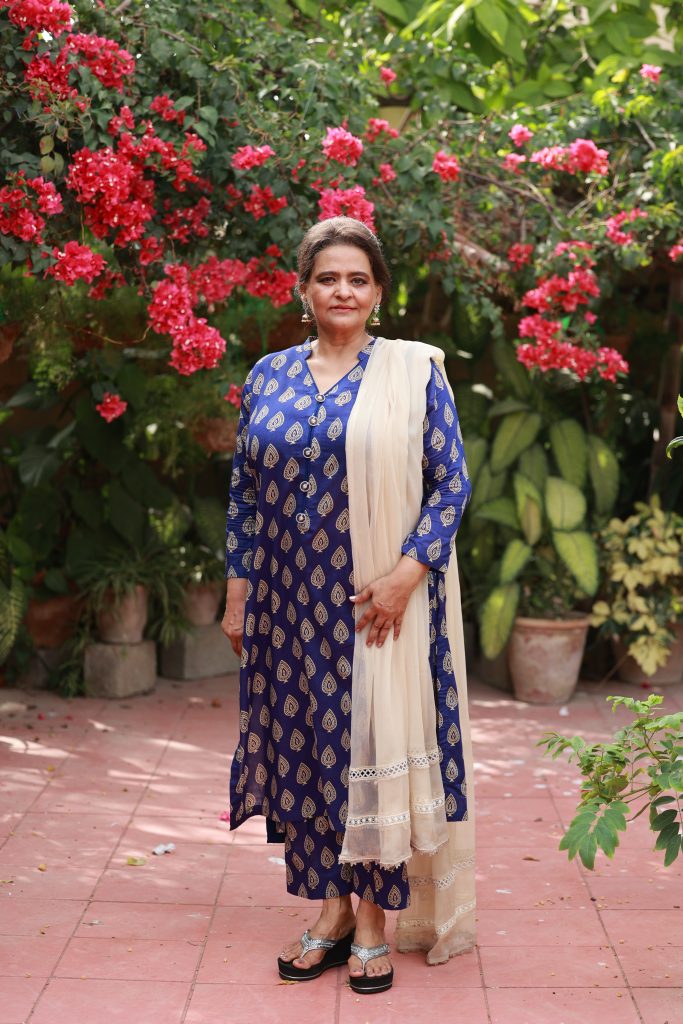
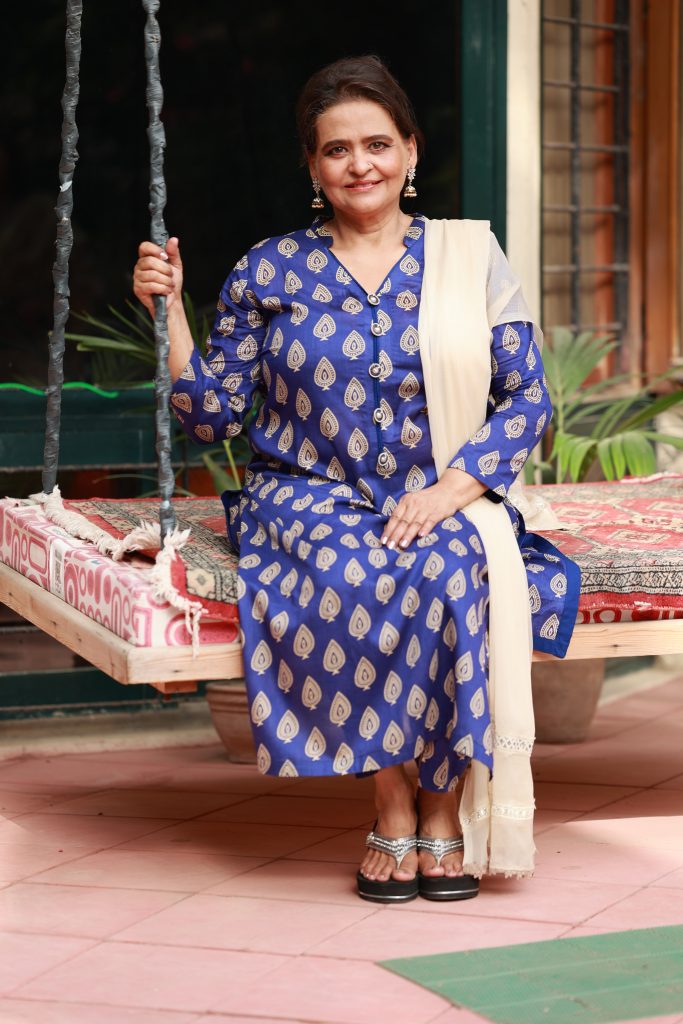
From a celebrated child star on PTV to an accomplished classical vocalist, Afshan Ahmed has spent decades balancing music with work and family. Her journey reflects artistic growth, deep classical training, and a lifelong dedication to meaningful music and human connection.
- You began your journey as a child artist on PTV—what are your earliest memories of performing on Hamari Shaam?
Actually, my journey began before Hamari Shaam, on radio in a children’s programme called Bachon Ki Duniya where I used to sing regularly. Hamari Shaam was my first television appearance, and interestingly, it was hosted by my mother. I only appeared once because she didn’t want anyone to think she was promoting me unfairly. At that time, I was balancing both radio and television, but eventually I had to choose because both recordings happened on Sundays. For a child, television naturally felt more exciting because it was visual and glamorous, so I moved towards TV. Those early years were full of innocence and curiosity, and I think that environment shaped my comfort with performing from a very young age.
- Growing up with a mother like Asma Ahmed, how did her musical background shape your own artistic path?
My mother was my very first mentor, teacher and ustad. She is a naturally gifted artist who never formally learned music, yet she guided me from childhood with immense dedication. She would make me repeat lines over and over until every note and pronunciation felt right. That discipline stayed with me throughout my life.
Later, I formally studied classical music under Ustad Hameed Ali Khan of the Gwalior Gharana and trained with him for nearly twenty years. That was where I truly learned the technical side of music — understanding ragas, notes, structure and expression. But the foundation, the instinct and the sincerity towards music, all came from my mother.

- Your work with Sohail Rana on shows like Kaliyon Ki Mala made you a household name—what did that phase teach you about connecting with young audiences?
I was only six or seven years old when I sang “Dosti Aisa Naata” and suddenly became widely recognised. At that age, I didn’t fully understand fame. I only knew that everywhere I went, people recognised me, pulled my cheeks lovingly and spoke about the song. Sometimes I would get irritated hearing the same thing repeatedly, but my mother always reminded me that these people loved me and were the reason for my recognition. Over time, I learned patience and gratitude. I think the reason people still remember me is because there was only one television channel and very few children’s programmes then. Audiences formed genuine emotional connections with artists.
- From children’s programming to mainstream television in the ’80s and ’90s, how did your music evolve as you grew as an artist?
Education was always prioritised in our home. We were taught that if studies suffered, everything else — music, sports, television — would suffer too. Later, after marriage and children, life became about balancing responsibilities. I never chose music over my family. I avoided late-night shows and public performances because my children and home came first. At the same time, music gave me incredible opportunities. I represented Pakistan in 14 countries and performed in several languages including Korean, Japanese, Turkish, Bangla and Russian. Whenever I travelled, I would carefully study the language and meaning of the songs with help from embassies and interpreters. Singing in people’s native languages created beautiful connections. As my children grew older and I found more time, I immersed myself in classical music. My voice matured, my listening deepened, and I gradually moved towards more meaningful and poetic forms of expression.
- You’ve worked alongside artists like Akhlaq Ahmed and Alamgir—what collaborations stand out most in your career?
I actually haven’t done many duets in my career, but one collaboration that became especially memorable was the song Babula Ve Le Jayen Na Log Mujh Ko from Heer Ranjha. It brought me tremendous recognition and is still sung at weddings today. I’ve shared stages and performances with many renowned artists over the years, but my career was never heavily centred around collaborations or commercial duets. My journey remained more personal and performance-driven. ‘Ai Khuda Meray Abu Salamat Rahein’ was a very popular solo ad song still remembered by people.
- You’ve continued performing at cultural events and festivals—what keeps you motivated to stay connected with audiences after four decades?
I genuinely love people and I love performing live because of the immediate emotional connection with audiences. But over time, my music has become more intimate and serious. I now enjoy singing ghazals, classical poetry and compositions inspired by poets like Mirza Ghalib and Faiz Ahmed Faiz. These genres attract smaller audiences, but they are deeply attentive and emotionally invested. That atmosphere suits me more than massive crowds. My style has never been loud or flashy. I prefer music where poetry, thought and emotion are central, where listeners truly absorb what is being sung.
- As someone who has been part of both radio and television eras, how do you view the shift toward digital platforms and streaming?
The biggest difference is that earlier music involved patience, preparation and real connection. Today, everything has become instant and digital. Songs are uploaded quickly, remixed quickly and consumed quickly. I feel audiences have also become distracted because of phones and social media. Even at gatherings or music events, people struggle to stay fully present. In our time, recording even a three-minute song required days of rehearsal, practice, recording and filming. That process created depth and understanding. Today, overnight fame is possible, but often temporary. I believe organic artistic growth takes time, discipline and sincerity. Another thing I miss is simplicity in performance. Nowadays, many artists rely heavily on loud arrangements and large ensembles. For me, true confidence is when an artist can sit with minimal accompaniment and still move an audience purely through voice and expression.
- Music often preserves memories—are there any songs of yours that feel especially personal or close to your heart?
My childhood songs remain deeply special to me because they carry memories of innocence and early recognition. Babula Ve Le Jayen Na Log Mujh Ko is particularly close to my heart because of its emotional depth and the way people still connect with it today. But with age, my relationship with music has changed. I’ve gradually moved away from lighter songs and towards serious poetry and classical expression. Life experiences, struggles and maturity naturally change your emotional landscape. As you grow older, you begin to connect more with music that reflects real emotions and deeper truths.
- When did your classical music journey begin?
My formal classical training began in the early 1990s after my son was born. That journey completely transformed my understanding of music. Classical music is an ocean — even after nearly twenty years of training, I feel like a student. I learned only a handful of ragas properly because true classical training requires immense patience, discipline and surrender. Sadly, my teacher passed away a few years ago, but I continue revising and practising everything he taught me. Classical music taught me humility more than anything else. At the same time, music was never my sole source of income. I studied Montessori education, ran my own school and later began working with an organisation associated with Hameed Haroon that supports women through vocational training. Helping women learn skills and regain confidence has been deeply fulfilling. Music and social work have always gone hand in hand for me.
- Your sing-along music gathering is very popular. Can you elaborate on it?
The sing-along sessions actually began with my mother after her retirement from the Pakistan American Cultural Center, where she used to teach music. When she retired, I offered my school space for these gatherings, and slowly it grew from a few people to over a hundred participants. What we do is not formal teaching — it is more like music therapy. People come together to sing in chorus form, relax, laugh and emotionally unwind. Some participants don’t even sing; they simply sit, listen and enjoy the atmosphere. For those two hours, people forget stress and loneliness. I’ve seen how healing music can be. Across the world, music is used therapeutically because it brings calm, joy and emotional release. That is exactly what these gatherings aim to create — a safe, warm and happy space.
- You have such an extraordinary relationship with your mother. Can you tell us about that?
I truly believe I was blessed with extraordinary parents. They encouraged us in every aspect of life — academics, sports, music, swimming, athletics — everything. My father was extremely broad-minded and supportive, while my mother balanced that with and discipline.
My relationship with my mother is built on deep understanding and companionship. We can communicate without words, simply through expressions sometimes. We can sit together for hours in complete comfort even when silent. We share many of the same interests and genuinely enjoy each other’s company. She protected and guided me throughout my career. Even when I was young and performing, she accompanied me everywhere. Because of that upbringing, I never allowed fame to overpower my sense of self. My parents constantly reminded me to stay humble and grounded. Whatever I am today, I owe greatly to them — especially to my mother.
- After such a rich and enduring career, what does music mean to you today—and what legacy do you hope to leave behind?
Music has been a deeply enriching and heartwarming segment of my life, but I still consider myself a student rather than someone leaving behind a grand legacy. If I have contributed anything, perhaps it is through working with children, sharing little songs with meaningful messages and helping people emotionally through music. Despite not chasing stardom aggressively, Allah gave me immense love and recognition, and for that I am grateful. I feel content knowing I stayed true to my responsibilities, my values and my music.