Entertainment
East Meets West and More – Roach Killa

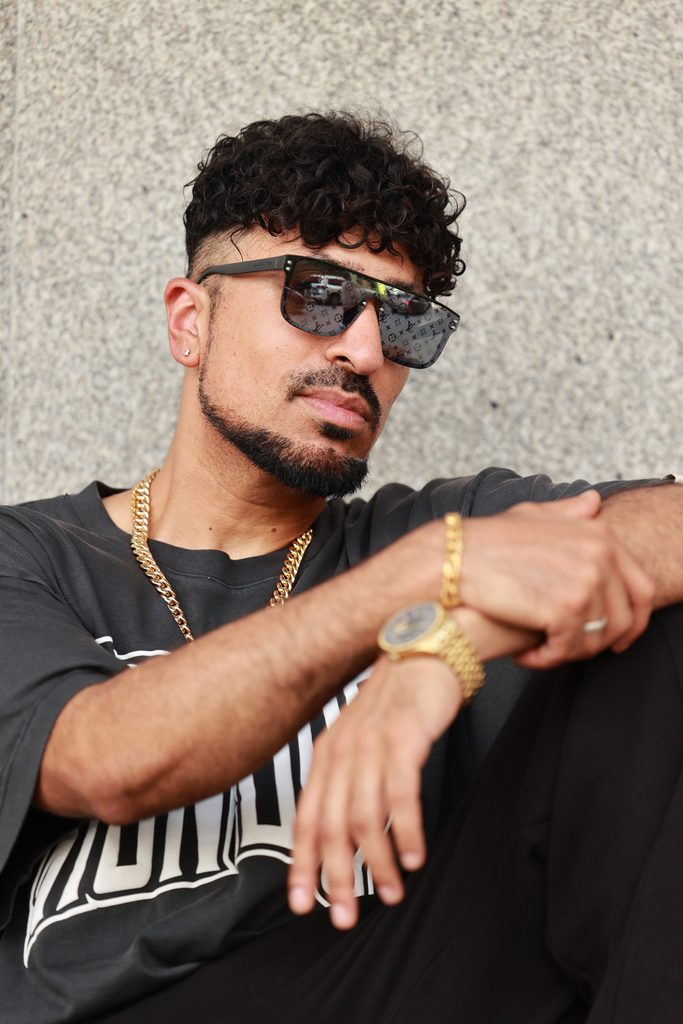
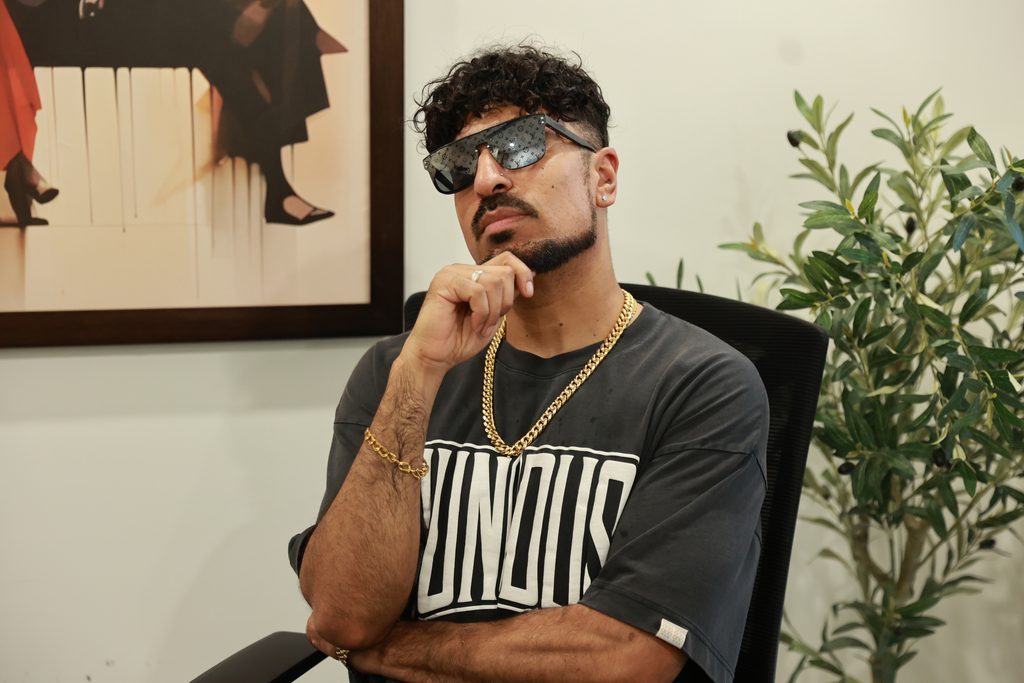
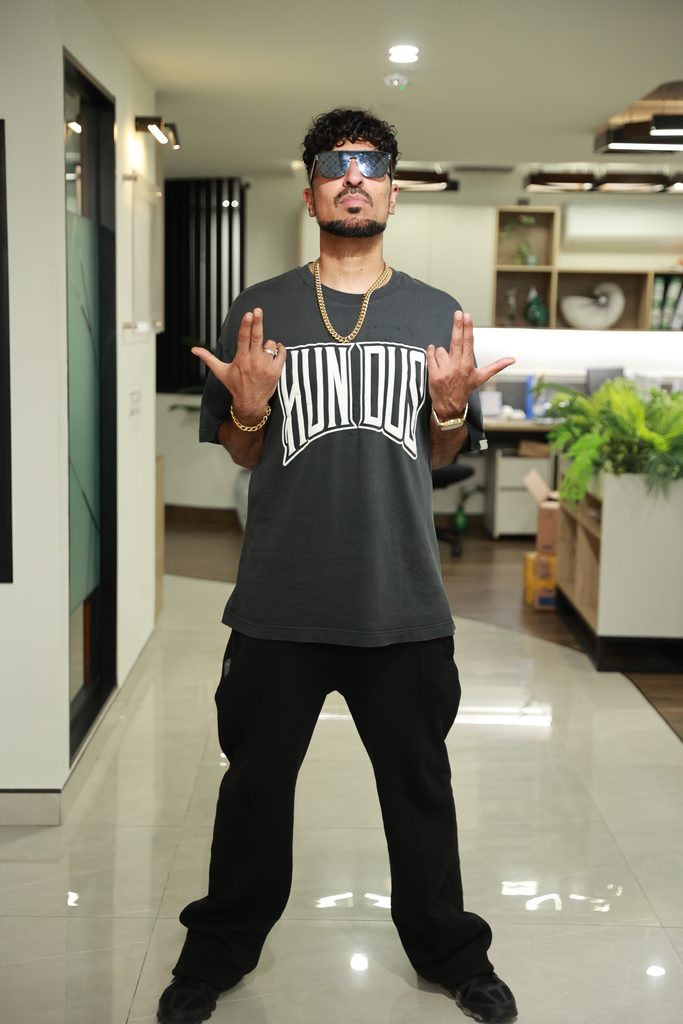
Long before Punjabi rap and urban fusion became a global phenomenon, Roach Killa aka Rehan was blending reggae, hip-hop and Punjabi music into a sound uniquely his own. Born in Libya, raised in Canada and now based in the UK, the artist has built a career on crossing cultural and musical boundaries. From groundbreaking chart successes to collaborations with some of South Asia’s biggest legends, he speaks about the experiences, struggles and inspirations that have shaped his remarkable journey.
Your collaboration with Arif Lohar resulted in one of the most celebrated Punjabi anthems of recent years. How did the song come about?
That happened very naturally. I met Arif Lohar in England in 2018 through a mutual connection. We sat together casually at his brother’s house, and he asked me to play him a couple of beats. I played one beat and he liked it, then I played another with a distinctive flute melody. Instantly, he started singing along. Once he heard it, he loved it, and with Dr. Zeus producing the track, it became a powerful combination of legends and new energy. There was no overthinking, no big studio setup — it was just musicians vibing together in the moment. Sometimes the best songs are born like that.
It seems you’ve developed a knack for turning dream collaborations into hit records. You’ve now teamed up with Abrar-ul-Haq on a track that’s already making waves?
After the success of the Arif Lohar collaboration, doors opened. A close friend, Jibran, shared a musical idea with me, and we kept discussing which voice would truly suit the song. Eventually we realized it had to be Abrar-ul-Haq. Once we presented it to him, he connected with it immediately. For me, working with him was another full-circle moment because I grew up listening to his music too.

Songwriters often draw inspiration from people and moments around them. Your mention of “dimple” in the track has intrigued fans—what inspired that lyric, and who, if anyone, is it dedicated to?
That line came about in a funny, spontaneous way. When I came to Pakistan after gaining success abroad, I kept seeing huge billboards of Hania Aamir everywhere. I asked my friend, “Who is she? She’s everywhere — and she’s very pretty!” Later, while writing the song, I needed a rhyme for the word “cute.” The image of those billboards popped into my head, and the line “dimple is cute” came naturally. It wasn’t planned as some grand dedication — it was just a spontaneous lyric born in the moment, which is often how songwriting works.
You were born in Libya, raised in Canada and now living in Birmingham. And you come from a Pakistan family. How have these diverse cultural influences shaped your identity as an artist?
I think my different backgrounds and cultures have deeply influenced my music. My mother’s side of the family is Iranian, my father’s side is Punjabi, I was born in Libya, and then I grew up in Canada before eventually moving to England. So, I’ve been exposed to Arabic, Punjabi, Urdu, Persian, Jamaican and Western influences all at once. I’ve always believed language is important because it carries culture and emotion. Being born in Libya also left a strong impression on me. I was there during difficult political times, even witnessing air-raid sirens and bombings as a child. Those experiences made me understand life from a different perspective very early on. At the same time, growing up in Canada exposed me to reggae, hip hop and multicultural communities. All of these influences come together in my music. I don’t think there are many artists who can naturally blend Punjabi, Urdu, Arabic, reggae and Western sounds in one identity. I feel blessed that my upbringing allowed me to be that diverse artist.
Your stage name, Roach Killa, is one of the most distinctive names in Punjabi music. What’s the story behind it?
When I was younger, some people used to call me “Roach,” and the nickname just stuck. Later, when I started making music, I wanted a name that would stand out and be impossible to forget. I combined “Roach” with “Killa” and created something unique. Whether people love it or hate it, they remember it — and that’s important in music.Another reason I liked the name was that it didn’t immediately tell people who I was or where I came from. People couldn’t easily judge whether I was Punjabi, Pakistani, Indian, white or black; they had to listen to the music first. I’ve always believed that music should be judged on its own merit, not on an artist’s appearance, ethnicity or background. Looking back, the name has become a huge part of my identity and represents the individuality that I’ve tried to bring to my music throughout my career.
At a young age, you were drawn to Reggae, a genre not commonly associated with South Asian artists at the time. What initially attracted you to it?
When I was a kid, my brother brought home a tape by Apache Indian. I remember looking at the cover and thinking, “This guy looks Pakistani or Indian.” Then I listened to the music and heard Punjabi mixed with Jamaican reggae and dancehall. That completely connected with me because I was growing up in neighbourhoods where there were a lot of Jamaicans and people spoke Patois around us. So, for me, reggae never felt foreign. It felt natural. That’s why later on I also moved to Birmingham in England, because Punjabi music there had already started blending with reggae culture in a big way as Birmingham is one of the main hubs for Punjabi urban music. I also loved the mystery and freedom of reggae culture. People didn’t know whether the artist was desi, white or black — they judged the music first. That idea has stayed with me throughout my career.

Long before Punjabi rap became mainstream, you were blending Punjabi lyrics with Reggae and Dancehall. Did you realize at the time that you were helping create a new lane in the industry?
Honestly, no. I think artists rarely think in those terms while they’re creating. Music is about capturing a moment and expressing what feels natural. At that time, blending Punjabi with reggae and hip hop simply reflected how I had grown up. Later on, people started calling it a new lane or a new genre, but for me it was just authenticity. We were making music that sounded like our lives.
What challenges did you face introducing a sound that many listeners had never heard before? Was the music industry ready for your style when you first emerged?
Definitely not. In our culture, there was a stigma attached to it. People would say, “Why are you trying to sound black? You’re desi.” A lot of listeners expected Punjabi artists to only do traditional bhangra music. But that wasn’t my reality. I grew up in a Western environment surrounded by reggae and hip hop, so my music reflected that. The backlash was real, but it also motivated me. I always say: criticism can either stop you or sharpen you. For me, it made me work harder and prove that Punjabi music could exist in an urban, international space too.
Your song Yaara Dildara became the first rap song to reach number one on the BBC Asian Network. What did that achievement mean to you personally?
It meant a lot because I had gone to England with almost nothing — about $300 in my pocket, sleeping on friends’ sofas, walking long distances just to save money for food. So, when Yaara Dildarareached number one on BBC Asian Network, it felt like validation for the years of struggle. So that meant a lot because once you get to a level where people accept your music as an artist, it only motivates you to do more. What made it even more special was that the song was doing something completely fresh at the time: authentic hip hop rap blended with qawwali and Sufi elements. It even replaced Imran Khan’s “Amplifier” at number one, and that was a huge song back then. For me, it was proof that taking creative risks could pay off.
You’ve collaborated with artists ranging from Apache Indian and Spragga Benz to Gippy Grewal and Garry Sandhu. How was the experience and which collaboration challenged or surprised you the most?
Every collaboration has its own story. I’ve been fortunate to work with legends across reggae, Punjabi music and Bollywood, including Arijit Singh and Neha Kakkar. For me, the biggest thing is when an established artist wants to work with you because of your talent, not because you paid for a feature. That’s when you know your music is truly being respected. One collaboration that felt especially meaningful was working with Arif Lohar. Growing up listening to songs like “Billo”, I never imagined I’d one day create music with him. That was a dream come true.
Having witnessed the industry’s evolution over the years, how would you describe the biggest changes in Punjabi music?
Punjabi music used to be dominated by traditional instruments and folk structures. Now, artists keep the authenticity of Punjabi vocals but pair them with urban and Western production. If you listen to artists like Sidhu Moosewala or Bilal Saeed, the vocals remain rooted in Punjabi or Urdu culture, but the soundscape is global. That’s a huge evolution. Punjabi music is no longer confined to one region — it’s part of international pop culture now.
Today, Punjabi music enjoys global recognition. What do you think artists from your generation contributed to making that possible?
We broke barriers. When we started, there were very few platforms for Punjabi urban music. No streaming, limited radio support — we were selling tapes and CDs by hand. Artists from our generation helped put places like Toronto and Birmingham on the Punjabi music map. We made diaspora identity part of the music. Today, Punjabi artists can reach global audiences instantly through streaming, but that infrastructure was built over decades by earlier generations pushing boundaries.
Do you feel pioneers of Punjabi rap and urban music receive enough credit for laying the foundation for today’s success?
Honestly, no. I think our culture sometimes forgets its pioneers too quickly. People say “old artist” instead of “legendary artist.” If artists before you hadn’t taken the risks, many of these lanes wouldn’t exist today. In rock music, legends continue to receive lifelong respect. I hope our industry develops that same culture of honouring the people who paved the way.
Has your creative process changed significantly since your early days in the industry? And what inspires you today compared to when you first started making music?
My core process hasn’t changed much. I still believe the best music comes from the heart, not from chasing trends. If you only follow trends, your song expires when the trend does. I also avoid listening to too much outside music when I’m creating because I don’t want to subconsciously copy anyone. I want people to hear Roach Killa, not a version of someone else.
Every artist faces setbacks. What did it teach you?
One of the hardest things has been dealing with the political and cultural divisions that sometimes affect artists. Music has no borders, but artists often get pulled into conversations that have nothing to do with music. I’ve always believed musicians should have the freedom to collaborate across cultures and countries. When people listen to a song, they respond emotionally first. Music connects human beings before politics divides them. That taught me to stay focused, like a horse with blinders on — not distracted by noise on either side.
Now looking back on your journey from a young reggae enthusiast in Canada to an internationally recognized artist, what achievement makes you the proudest?
Every achievement is special, but the proudest moment for me was creating a song that became a global anthem associated with Pakistan: “Aa” featuring Arif Lohar and Deep Jandu. That song is played in stadiums, PSL matches, IPL matches and events worldwide. Knowing that your music becomes part of your country’s cultural memory is incredibly humbling. Even if I stopped making music tomorrow, that legacy would remain.
When the story of Punjabi music’s evolution is written what chapter do you believe Roach Killa would represent?
I’d say we represent one of the pioneering chapters of Punjabi urban fusion music. We weren’t the very first chapter, but we were among the artists who helped define and expand this sound globally. Especially with reggae and dancehall influences in Punjabi music, I believe my name will always be part of that story.